How Does a Palletizer Improve Efficiency in Packaging?
Discover how a palletizer revolutionizes packaging efficiency by automating the stacking process. By reducing labor costs and minimizing errors, palletizers enhance throughput and streamline operations. Learn about the significant benefits they offer for better resource management in your packaging line. Optimize your productivity today and transform your workflow seamlessly!
Revolutionizing Packaging Efficiency: The Impact of Palletizers on Modern Industry
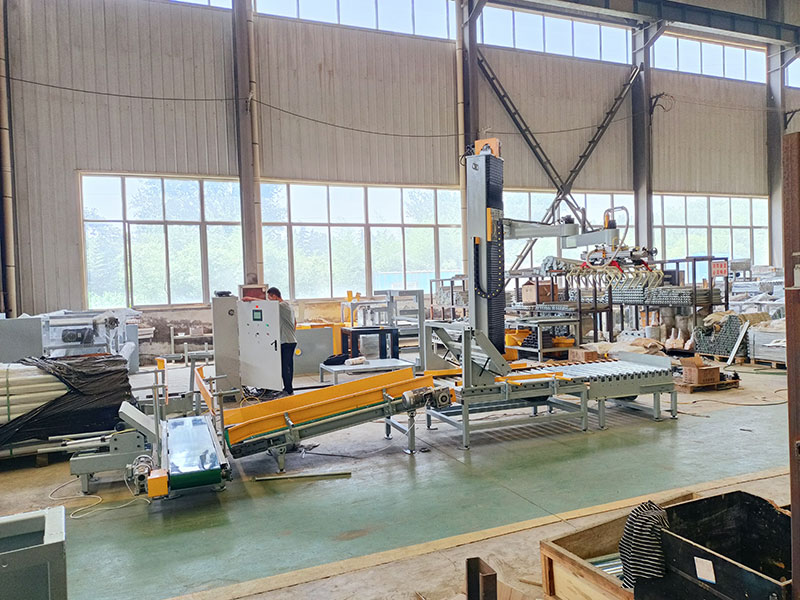
Global Market Insights Report - October 2023
In the fast-paced world of manufacturing and logistics, efficiency and accuracy are paramount. As companies strive to enhance productivity and reduce operational costs, the adoption of automation technologies has become a significant trend. One notable advancement in this realm is the implementation of palletizers—automated systems designed to streamline the stacking process of packaged goods. This report delves into how palletizers are transforming the packaging industry, their substantial benefits for resource management, and the current market hotspots driving their adoption.
The Transformation of Packaging Processes
Historically, packaging was labor-intensive, requiring numerous workers to stack and manage the flow of goods manually. However, as businesses grapple with rising labor costs and increased demand for faster turnaround times, the need for innovative solutions has never been more apparent. Enter the palletizer, a machine that automates the stacking of products onto pallets for storage and shipping.
According to industry experts, the palletizing sector is expected to experience substantial growth in the coming years, fueled by several factors including:
-
Increased Demand for Automation: As companies seek to minimize costs and maximize efficiency, the shift to automated systems is gaining momentum. The palletizing technology allows companies to improve operational efficiency while also enhancing safety by reducing the physical strain on workers.
-
Growth of E-commerce: The rise of online shopping has led to an unprecedented demand for efficient packaging solutions that can handle high volumes quickly. Palletizers are extremely effective in this regard, enabling manufacturers to keep pace with the increasing need for fast and accurate logistics services.
-
Labor Shortages: With a growing shortage of skilled labor, industries are turning towards automation to fill gaps in workforce capabilities. Automated palletizing systems can work continuously without breaks, which is a significant advantage in today's competitive market.
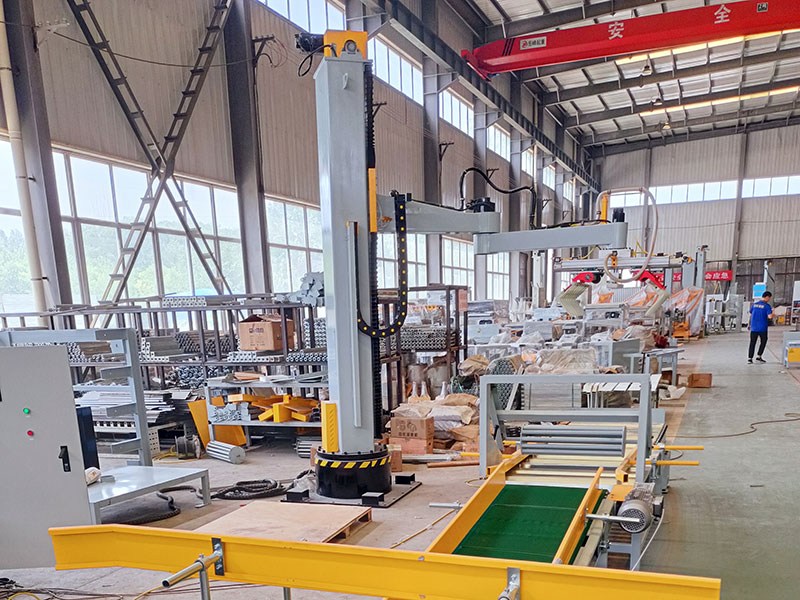
Efficiency & Cost Effectiveness
The primary advantage of palletizers is their ability to streamline operations, enhancing throughput while reducing labor costs and potential errors. Here are several key benefits that automated palletizers bring to manufacturing and packaging lines:
-
Reduced Labor Costs: One of the most significant costs associated with packaging is labor. By automating the stacking process, businesses can save on labor costs, which, for many manufacturers, accounts for a substantial portion of their operational budget.
-
Minimized Errors: Manual stacking is prone to human error, leading to misaligned products, inefficient use of space, and damaged goods. Palletizers, by contrast, deliver precise and consistent stacking, which helps to maintain product integrity and reduce waste.
-
Increased Throughput: Palletizers significantly enhance the speed of packaging operations. These machines can stack products at a much faster rate than manual laborers, effectively increasing throughput and allowing businesses to meet tight deadlines.
Enhancing Resource Management
Palletizers not only improve efficiency but they also play a crucial role in resource management. By reducing the labor force required and improving the accuracy of operations, companies can allocate their resources more effectively. Here’s how:
-
Optimizing Floor Space: Automated palletizers can minimize the footprint of operations. Because they facilitate more efficient stacking, companies can use their warehouse space more judiciously, thus improving overall inventory management.
-
Greater Flexibility: Modern palletizers come with programmable features that allow for adjustments based on product changes and different packaging configurations. This adaptability aids businesses in responding swiftly to market trends or custom orders without significant downtime.
-
Data Tracking and Analytics: Many automated palletizing systems now integrate with IoT (Internet of Things) technologies, enabling real-time data collection and tracking. This capability offers manufacturers insight into performance metrics and operational efficiencies, allowing them to make data-driven decisions.
Current Market Hotspots
A closer look at the global landscape reveals significant hotspots for palletizer adoption. Regions experiencing rapid growth in automation include:
-
North America: The U.S. remains a leader in the implementation of advanced manufacturing technologies, largely driven by the automotive, consumer goods, and food and beverage sectors. Companies in these industries are increasingly embracing palletizers to streamline their operations.
-
Europe: The European Union's commitment to enhancing manufacturing efficiency via Industry 4.0 initiatives has set the stage for significant growth in the palletizer market. Countries like Germany and the Netherlands, known for their technological advancements, are seeing considerable investments in automated packaging solutions.
-
Asia-Pacific: With burgeoning manufacturing industries in countries like China and India, the demand for palletizers is rising sharply. The fast-paced development in e-commerce and logistics further accelerates the need for efficient and automated solutions in this region.
Future Trends in Palletizing Technology
As with many industries, the landscape of palletizers is poised for transformation. Future developments are expected to incorporate even more sophisticated technologies designed to address industry challenges:
-
Artificial Intelligence (AI): The integration of AI with palletizers can bring about smarter systems that learn from operational data and improve performance over time. Machine learning algorithms could optimize stacking patterns based on the type of goods, thus enhancing packing efficiency further.
-
Collaborative Robots (Cobots): The rise of cobots—robots designed to work alongside human workers—offers exciting possibilities for palletizing. These robots can assist workers in cases where manual intervention is necessary, providing additional support while maintaining high productivity levels.
-
Sustainability Solutions: As companies focus more on sustainability, palletizers that utilize energy-efficient technologies, or those equipped for handling eco-friendly packaging materials, are becoming increasingly sought after.
Conclusion
The automation of palletizing processes marks a significant advancement for industries reliant on efficient packaging solutions. By reducing labor costs, minimizing errors, and enhancing throughput, palletizers streamline operations and offer substantial benefits for better resource management. As the market continues to evolve, businesses that embrace this technology position themselves to optimize productivity and transform workflows seamlessly.
Investing in palletizing solutions is not just a trend—it is becoming a necessity in the face of increasing demand for efficiency, accuracy, and responsiveness in an ever-competitive marketplace. Manufacturers can gain a significant advantage by maximizing their resource management with these technologies, ultimately leading to increased profitability and success in a rapidly changing economic landscape.
For businesses looking to optimize their operations, the time to adopt advanced palletizing solutions is now.